

Chosing the Right Flooring
Influencing Long-Term Value
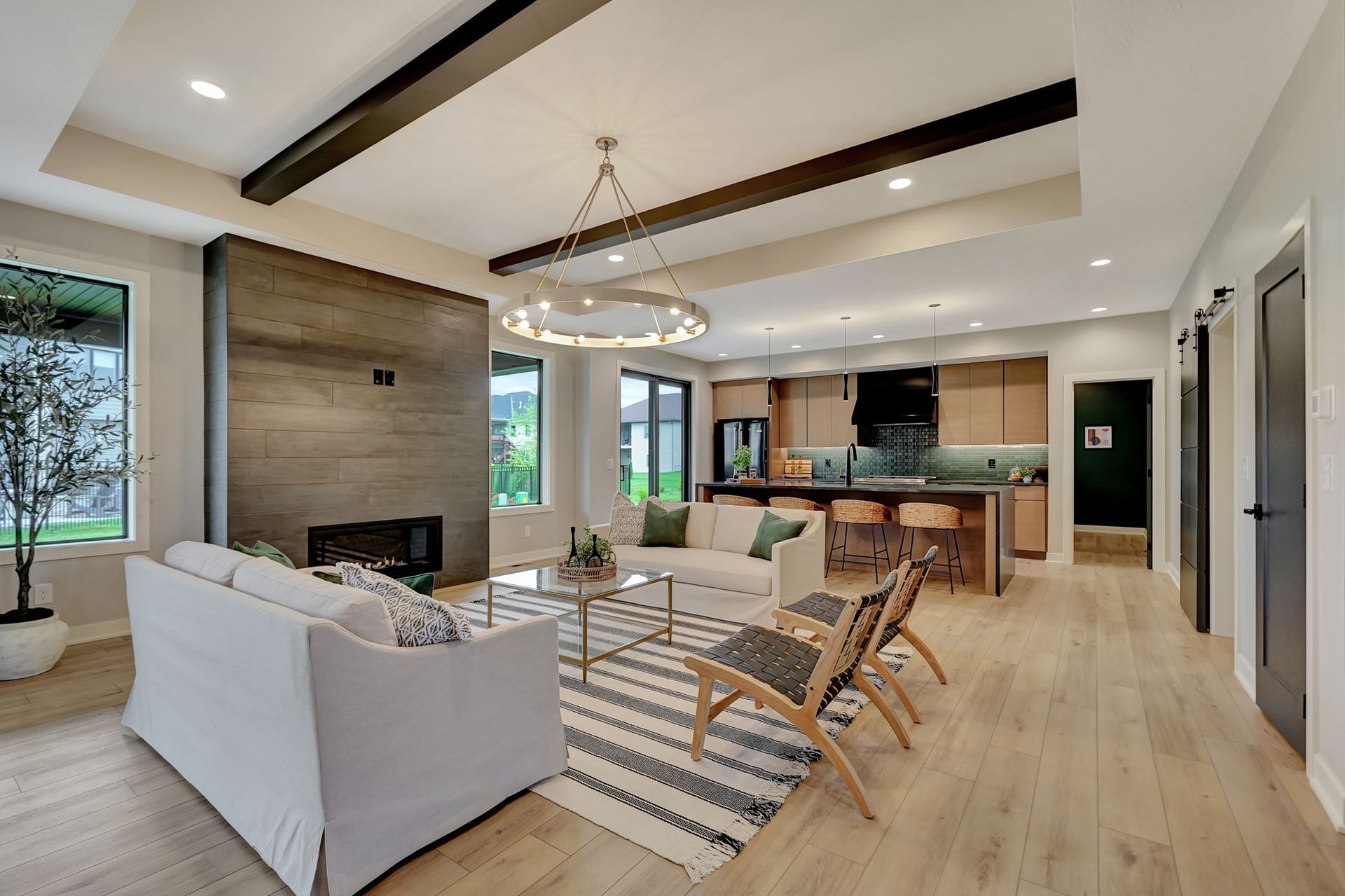
Choosing new flooring is one of the most important decisions in any renovation or new build. Flooring sets the tone for the space, impacts maintenance, and influences long term value. With so many materials and styles available, the best choice comes down to how the room is used, your lifestyle, and your design goals.
Here is a practical guide to help you narrow it down with confidence.
Start With How the Room Is Used
Before looking at colors or samples, think about function.
High traffic areas like entryways, kitchens, and main living spaces need durable, scratch resistant surfaces. Moisture prone areas like bathrooms, laundry rooms, and basements need water resistant materials. Bedrooms and offices allow for more softness and comfort underfoot.
Ask yourself:
- Will pets or kids use this space daily?
- Is moisture or spill risk high?
- Do you want comfort or maximum durability?
Usage should guide your short list first. Style comes next.
Compare the Most Common Flooring Types
Luxury Vinyl Plank and Tile
- Very durable and water resistant
- Softer and warmer underfoot than tile
- Excellent for busy households
- Available in realistic wood and stone looks
- Often a top choice for whole home continuity
Engineered Hardwood
- Real wood surface with better stability than solid hardwood
- Great for main living areas and bedrooms
- Adds warmth and resale appeal
- Needs more care than vinyl
- Not ideal for wet areas
Tile and Stone
- Extremely durable and moisture resistant
- Perfect for bathrooms and kitchens
- Huge variety of looks and patterns
- Can feel cold and hard underfoot
- Grout maintenance is a factor
Carpet
- Comfortable and quiet
- Ideal for bedrooms and lower traffic areas
- Adds warmth and sound control
- Not ideal for moisture or heavy wear zones
Think About Maintenance and Cleaning
Every flooring type has a care profile. Some clients choose a product based less on looks and more on how easy it is to live with.
Consider:
- How often will it need deep cleaning
- Whether it shows dirt or dust easily
- If special products are required
- How it handles scratches and dents
If you want simple upkeep, vinyl and tile are usually the easiest. If you love real wood, be ready for a bit more routine care.
Coordinate With Your Overall Design
Flooring should support the rest of your selections, not compete with them. Bring cabinet, countertop, paint, and fabric samples when reviewing options.
Look for:
- Balance in tone and contrast
- Grain or pattern scale that fits the room size
- Consistency across connected spaces
In open floor plans, fewer flooring changes often create a cleaner, more cohesive look.
Plan for Transitions and Height
Different flooring products have different thicknesses. This affects transitions between rooms and how trim and doors sit.
A professional measurement and product review helps prevent:
- Uneven transitions
- Door clearance issues
- Awkward step ups or step downs
Get Samples Into Your Space
Lighting changes everything. Always view samples at home, in your actual lighting, next to your furniture and finishes. Look at them morning, afternoon, and evening before deciding.
A good flooring choice is not just what looks best on the display wall. It is what performs best in your daily life and still looks great years from now.